


Do you really need to lose weight? Our BMI calculator will help you figure out whether you are underweight, normal weight, overweight or obese.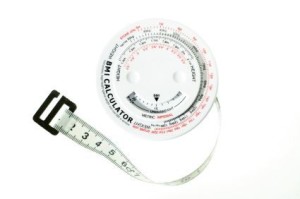
Before you calculate your BMI (body-mass index) or use a weight loss calculator, here are some helpful facts about what your BMI means.
- < 18.5 BMI — Underweight
- 18.5 to 24.9 Healthy
- 25 to 29.9 Overweight
- 30 to 34.9 BMI — Grade 1 Obesity
- 35 to 39.9 BMI — Grade 2 Obesity
- >40 BMI — Grade 3 (Morbid Obesity)
What Is Body-Mass Index (BMI)?
Your BMI number can be used as a screening tool when identifying weight problems in adults. Understanding your weight is valuable because a person’s level of obesity is directly correlated with health outcomes Obesity-related diseases include heart disease, type 2 diabetes, hypertension, and stroke. It is important to remember BMI is not a diagnostic or screening tool. For example, a person may have a high BMI but may be of an athletic built. However, to determine if excess weight is a health risk, a healthcare provider would need to perform further assessments. These assessments might include measurement of body fat composition, skinfold thickness measurements, evaluations of diet, physical activity, family history, and other appropriate health screenings.
What If My BMI Is Higher Than 30?
If your BMI is 30 and above, you fall in the obesity to morbid obesity categories. If this is you, then making the necessary lifestyle and dietary changes are in order. A physician can give you some recommendations on how to improve your BMI.
According to the Centers for Disease and Prevention, overweight is defined as a body mass index (BMI) of 25 or higher; obesity is defined as a BMI of 30 or higher.
Research has shown that as weight increases to reach the levels referred to as “overweight” and “obesity,” the risks for the following conditions also increases:
- Coronary heart disease
- Type 2 diabetes
- Cancers (endometrial, breast, and colon)
- Hypertension (high blood pressure)
- Dyslipidemia (for example, high total cholesterol or high levels of triglycerides)
- Stroke
- Liver and Gallbladder disease
- Sleep apnea and respiratory problems
- Osteoarthritis (a degeneration of cartilage and its underlying bone within a joint)
- Gynecological problems (abnormal menses, infertility)
If Lifestyles Changes and Diets Don’t Work?
In some cases, diets don’t work. Maybe you have tried all the diets; Weight Watchers, Jenny Craig, South Beach, Atkins, NutriSystem and others each time being let down by just gaining the weight back after you have already lost it. Unfortunately, the cycle of failed diets and over eating is experienced by many people. Currently in America, we spend over sixty billion dollars on the latest weight-loss products and diets ever year and nearly one third of the population is obese!
Don’t be discouraged. Only 5% of diets truly work long-term, however there are other weight loss alternatives such as bariatric surgery, which maintain a success rate of up to 80%. If you have a BMI of 30 and over, weight loss surgery options like the lap band and gastric sleeve allow you to lose the weight and change your lifestyle.
A Different Approach to Weight Loss
Working towards weight loss, if you are obese can have a profound positive effect on your health. Bariatric surgery can help you achieve a healthier weight. Various bariatric surgery options include: gastric banding, sleeve gastrectomy and gastric bypass. Our surgeons only recommend bariatric surgery when all other dieting, exercise, and medicine programs have failed to produce sufficient or sustained weight loss.
- Gastric sleeve surgery (sleeve gastrectomy) is a bariatric procedure that induces weight loss by restricting food intake. With this procedure, the surgeon removes a portion of the stomach laparoscopically so that the stomach takes a “sleeve” or tube shape. The removed portion carries high levels of the hunger hormone ghrelin. With a few exceptions, this procedure can be performed on all patients. It offers much of the benefits of the other surgeries minus many of their side effects.
- Lap band surgery (gastric banding) is usually a laparoscopically performed procedure. It is considered to be one of the least invasive approaches to obesity because incisions are made to neither the stomach nor the intestine. The amount of weight loss with gastric banding depends on the patients’ motivation and commitment to a new lifestyle and healthy eating habits as well as undergoing frequent adjustments. Some lap band complications have been known to occur, so our weight loss surgeons offer lap band removal surgery as well.
- The gastric bypass is a very common bariatric procedure and considered to be the gold standard procedure. Gastric bypass surgery reduces the stomach size and reroutes a portion of the intestinal tract to cause delayed absorption of ingested material. As a result, food intake is limited and patients are “full” quicker.
- The duodenal switch procedure causes weight loss by limiting the amount of food that can be ingested and restricting the number of calories absorbed by the body. Technically, this is accomplished by both the reduction of the stomach volume and an intestinal bypass much longer than that done in gastric bypass. This procedure is only for extremely obese patients with a very high body-mass index or a severe metabolic syndrome.
To make an appointment with one of our weight loss specialists, contact our bariatric surgeons in Los Angeles today at (888) 391-0182.
Next, find out if you are a candidate for weight loss surgery.